



As digital transformation accelerates across the Asia-Pacific region, the payments ecosystem is undergoing profound change. Regulatory tightening, consumer protection mandates, and the rapid rise of alternative payment methods are reshaping how businesses operate and collect payments.
From Australia’s proposed surcharging laws and licensing reforms to Southeast Asia’s QR code standardisation and digital wallet dominance, companies must adapt to a complex and rapidly changing environment.
Executive summary
Across APAC, a clear trend is emerging: the Asia Pacific region is evolving into a digital wallet-first, QR-driven, and tightly regulated environment - where transparency and verified consent set the standard for growth. While these changes enhance consumer trust, they create new challenges for businesses that depend on recurring or merchant-initiated billing.
Trends include:
- Regulatory tightening: Australia, Taiwan, the Philippines, and South Korea are leading efforts to drive changes in compliance to protect consumers and regulate the payments industry.
- Consumer protection: Regulatory bodies across APAC are prioritising transparency, security, and fairness in payments to safeguard customers and businesses alike.
- Digital wallets: Digital wallets and QR-based payment solutions are growing faster than card payments in Southeast Asia.
- QR standardisation: QR-based wallet providers, FinTech businesses and government bodies are seeking to standardise QR code payment methods in Southeast Asia to improve payment method acceptance.
- Cash decline: Governments are pushing digital wallet adoption and alternative payment for smaller businesses and micro-businesses, especially in Malaysia, Singapore, Hong Kong, the Philippines, Indonesia and Thailand.
- Fragmentation & friction: As digital wallets and new payment methods gain adoption, providers are working to offer protections for both merchants and consumers. These efforts aim to replicate the security, tracking, and dispute resolution features traditionally associated with card networks like Mastercard, Visa, and American Express, reducing friction and building trust in alternative payment models.
- Open banking: Countries like New Zealand are working to standardise open banking principles to fuel the FinTech market.
What does this mean for businesses?
APAC is moving toward wallet-first and QR-driven payments under stricter regulation. For businesses that rely on collecting payments for subscriptions, memberships, or recurring billing, these changes bring new complexity. Success will depend on adapting to diverse compliance rules, fragmented payment methods, and operational challenges across markets.
Key implications for businesses:
- Pricing complexity: Surcharging restrictions in markets like Australia limit cost recovery options
- Compliance burden: Licensing requirements vary widely, adding complexity for businesses expanding across borders
- Payment method fragmentation: QR standardisation is underway but regional differences still require tailored solutions
- Operational friction: Push payments lack reconciliation and chargeback features, increasing back-office workload
- Escrow or bank guarantee requirements: Markets like Taiwan mandate escrow or bank guarantee for forward payments, shifting financial risk to businesses
- Open banking readiness: Emerging A2A and API-driven models create opportunities but demand technical integration
What’s happening in APAC?
Let’s unpack these themes market by market, helping you understand what’s changing in APAC and how these shifts affect cross-border expansion, recurring revenue models, and long-term payment strategy across APAC.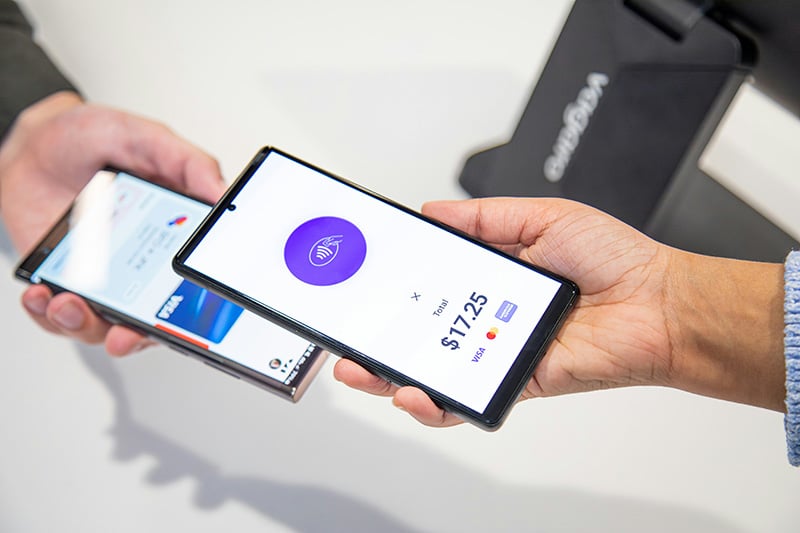
1. Australia
a. Surcharging legislation
Australia’s payment environment is shaped by strict regulatory controls, particularly around surcharging, which has become a key focus area in the last 12 months. Under the proposed legislation, Australian businesses will face two major changes: merchant surcharging for debit and credit card payments will be banned, and the cap on interchange fees will be reduced.
This creates confusion for businesses operating outside traditional retail, especially those offering recurring merchant-initiated payments like fitness memberships or payment plans. The misconception that all payments resemble point-of-sale transactions overlooks the operational realities of subscription-based services.
b. Licensing reform
In a continued effort to improve consumer rights and minimise the prevalence of scams and payment fraud, licensing reform is another emerging trend in Australia. Payment service providers (PSPs) now face tighter scrutiny under Australian Securities & Investments Commission (ASIC), with Australian Financial Services License (AFSL) requirements applying to those handling significant payment flows.
c. PayTo and the balance of consumer protection
PayTo offers strong consumer protection by requiring customers to log into their banking app to approve the initial payment agreement (mandate). Once the mandate is authorised, payments can occur without further customer approval, streamlining the process while maintaining security. Both the business and the customer can revoke the mandate at any time, giving each party control and flexibility.
This approach helps reduce fraud risk and builds trust, as only the account holder can approve the mandate. While disputes can still occur, the upfront authorisation process significantly lowers the likelihood.
Australia is setting best-practice standards in APAC with its PayTo rollout, particularly in the account-to-account (A2A) space, where verified consent and revocability are redefining consumer protection and payment transparency – enabling a mutually beneficial solution for both businesses and customers.
2. New Zealand
a. Open banking, surcharges and the FinTech boom
New Zealand is a more flexible regulatory environment, meaning businesses can apply surcharges without the cost-based restrictions seen in Australia, giving them greater control over pricing strategies. This flexibility is particularly valuable for businesses operating across both markets, allowing for tailored approaches to cost recovery.
The country is also making strides in open banking and faster payments. While it doesn’t have a direct equivalent to Australia’s New Payments Platform (NPP), upgrades to the BECS system, now branded as Payments 365, with a view to offer real-time transfers and innovation. Payments 365 currently offers round the clock billing – even on weekends and public holidays.
Open banking APIs are fostering the growth of A2A payments, positioning New Zealand as a forward-thinking market for digital financial services.
3. Singapore, Malaysia, Indonesia, Thailand, and The Philippines
a. QR-based payment solutions rollout
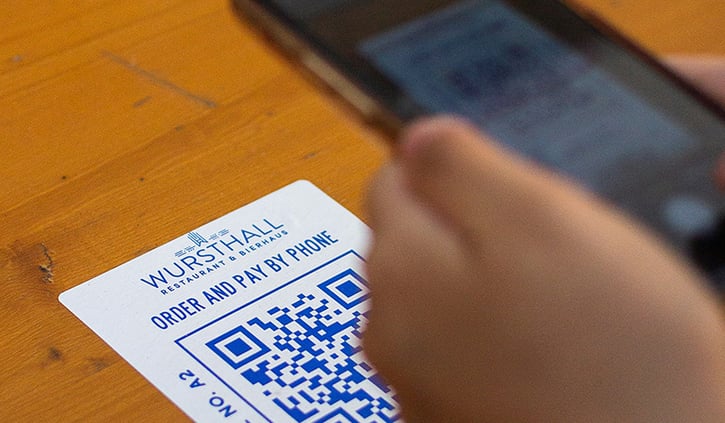
Southeast Asia has seen rapid consolidation in QR code usage. Previously, merchants displayed multiple QR codes for platforms like WeChatPay, Alipay, and local banks. Each QR-based payment solution was incompatible with the others – creating confusion and friction among vendors and customers.
Today, governments are seeking to standardise QR codes to support both domestic and cross-border payments, simplifying the customer experience while introducing backend complexity for providers. More than a quarter of all e-commerce payments in Southeast Asia are made via QR codes or digital wallets (Statista, 2025). Some emerging QR payment solutions such as GCash, Dana, OVO and GoPay are also beginning to support recurring transactions, creating new opportunities for subscription-based businesses in the region.
b. Digital wallets and A2A on the rise
Digital wallets and A2A (account-to-account) payments are now outpacing card usage in Southeast Asian markets, especially among smaller businesses like hawkers and food vendors. Governments are actively promoting digital adoption, accelerating the decline of cash. However, push payments (while perceived as low-cost and easy) lack reconciliation features, chargeback features, and tracking, creating operational challenges.
Licensing requirements vary widely across the region. In the Philippines, for example, PSPs must obtain both Operator of a Payment System (OPS) and Merchant Acquisition License (MAL) licenses to collect payments. Methods like Thailand’s PromptPay are reshaping consumer behaviour and accelerating the shift to account-to-account (A2A) payments. PromptPay offers a simple and secure way for customers to initiate payments directly from their bank account, reducing reliance on cards and improving convenience. While this model introduces some friction for merchant-initiated recurring payments, it delivers faster, lower-cost transactions and a seamless experience for customers. Businesses that adapt their payment flows can tap into this growing trend and stay ahead of the curve.
4. Taiwan
a. Escrow or bank guarantee
Taiwan enforces strict consumer protection through forward payment risk regulation. For services delivered over time (like 12-month gym memberships), funds must be held in escrow only when customers pay in full upfront. Monthly payment models are unaffected. In the health and fitness industry, any pre-payment covering more than 30 days must be secured through escrow or a bank guarantee. This protects consumers and shifts financial risk to PSPs, who must implement robust risk assessment protocols to manage exposure.
b. Licensing
Licensing is also rigorous. Any entity involved in payments must obtain a Ministry of Digital Affairs, (MODA) license, and PSPs face multifactor verification and heavy compliance burdens. These requirements reflect Taiwan’s broader emphasis on consumer protection and regulatory transparency, making it one of the most tightly controlled markets in APAC. Businesses entering Taiwan must be prepared for a high level of operational oversight.
5. South Korea
South Korea’s payment regulations focus heavily on transparency and consent. Customers must receive digital receipts unless they opt out, and any price increases or subscription conversions must be clearly communicated. Free trials converting to paid subscriptions must be disclosed upfront.
Privacy and data usage are central themes, with regulations requiring clarity around what customers consent to and how their data is handled. These rules are reshaping how platforms operate, especially those offering recurring services. South Korea’s emphasis on consumer rights is setting a precedent for other APAC markets, and businesses must ensure their systems are built to support these evolving standards.
6. Hong Kong
Hong Kong is following a similar path to Taiwan, with increasing regulation and a strong focus on consumer protection. PSPs must navigate a tightening compliance environment - where transparency, data protection, and fair-trade practices are becoming non-negotiable.
As local payment methods rise and digital wallets gain traction, Hong Kong is aligning with broader APAC trends. More than 45% of all e-commerce payments in Hong Kong are made with digital wallets (Statista, 2025).
However, the regulatory landscape remains fragmented, requiring businesses to tailor their strategies to local requirements while maintaining cross-border operability. For partners and franchise groups, this means balancing innovation with compliance across multiple jurisdictions.
Making expansion simple for SaaS, fitness, and franchise businesses
For SaaS providers, fitness operators and franchise groups expanding across APAC, payments can feel like a major hurdle. The region is moving toward wallet-first, QR-driven and highly regulated systems, which build trust but add complexity for recurring billing.
Businesses need payment flows that are reliable, compliant and easy to scale. Yet differences in licensing, reconciliation, surcharging, consent rules and payment methods make expansion harder than it should be.
Ezypay simplifies this. With deep regional expertise and strong PSP relationships, we make it easy to set up recurring billing and local payment methods in markets that are often hard to access. From navigating compliance to integrating with local providers, we help you expand confidently and operate smoothly.

Ready to simplify your expansion in APAC
Get Started
Share:


Recent Posts
 Tips & Tricks
Payments
Blogs
Tips & Tricks
Payments
Blogs
 Health & Fitness
Payments
GCash
Health & Fitness
Payments
GCash
 Trends
Blogs
Trends
Blogs