



Expanding health and fitness businesses into dynamic yet complex markets like Indonesia, Thailand, Taiwan, South Korea, and the Philippines presents significant opportunities and unique challenges.
For gyms, fitness studios, and SaaS providers supporting member management and billing, navigating these hard-to-service regions can be operationally and financially taxing without the right infrastructure in place to support growth and stability.

Compliance and payment collection barriers
A critical first hurdle for gyms and health-focused SaaS companies is becoming a registered merchant and collecting payments locally.
In many APAC countries, compliance requirements are complicated and fragmented. Taiwan and South Korea are particularly tricky due to intricate financial regulations and compliance challenges, which delay go-to-market strategies by months or years.
Without local expertise or in-market partners, businesses often face rejection from these bodies or are forced to operate without full legal and financial support.
Complexities of cross-border payments
Fitness businesses that try to centralise operations in one country and serve the rest of the world remotely soon run into cross-border payment issues.
Currency conversion, inconsistent settlement timelines, and high transaction fees complicate revenue flow. Businesses that don’t offer support for local payment methods or currency pricing risk appearing untrustworthy or inaccessible.
This leads health and fitness businesses to consider partnering with a payment service provider (PSP) with local support capabilities.

Lack of support for local, popular payment methods
When 'opening up' in a new market, health and fitness platforms or large gym brands typically partner with PSPs to facilitate member payments. However, many do not support consumer-demanded payment methods, or may not service the region at all.
In the Philippines, for example, GCash is ubiquitous among consumers with an 80+% adoption rate.
However, until 2024, GCash Link and Pay (recurring GCash payments) that are typical in a gym/consumer environment weren't supported by any PayFac. See how Ezypay worked with Xendit and GCash to make this happen.
Without this support, gyms miss out on member acquisition and retention opportunities, particularly among younger, mobile-first audiences.
In Vietnam 41% of e-commerce payments and 30% of POS go through digital wallets. Credit cards are used for 14% of e-commerce and 13% of POS payments.
However, support and infrastructure for these digital wallets are often quite limited.
Lack of local support
When payment infrastructure fails -due to outages, failed transactions, or settlement issues - merchants and their customers need fast, effective support.
In many APAC markets, this requires local language assistance. Customers are unlikely to tolerate long wait times or English-only help desks when dealing with sensitive financial matters.
For fitness businesses, delays in resolving failed payments can result in suspended memberships, frustrated customers, churn, and (ultimately) lost revenue. Without local language and time zone-aligned support, businesses risk eroding trust and retention.
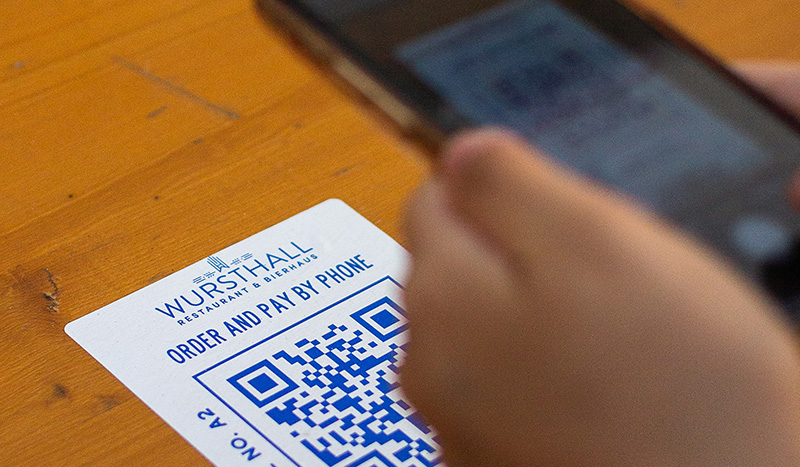
For example, in Japan, cash and credit cards still reign as the most popular payment methods.
According to research compiled by Statista, credit cards are the leading method, accounting for 55% of e-commerce transaction value and 33% of POS payments. Digital wallets have a smaller but growing share: 25% of e-commerce and 23% of POS. Only around 16% of Japanese internet users use mobile payment services monthly, which is lower than most of APAC.
Three steps to payment independence in APAC
Ready to start collecting payments in APAC? Ezypay offers integrators and health and fitness businesses a wealth of useful features, including popular payment methods and local language support, to best support growth.
Follow our three-step process for payment independence in these hard-to-service regions.
1. Find a payment service provider that operates in your region, like Ezypay.
2. Contact your chosen payment service provider (PSP) to understand if they can support your business’s unique needs and compliance requirements. Ensure that your chosen PSP offers local support and popular payment methods that are heavily utilised in your region.
3. Implement your chosen PSP’s payment solution into your business. This might involve integrating directly with your chosen PSP via an API or utilising one of their member management software offerings.

Ezypay powers payments in hard-to-service markets in APAC.
Contact us
Share:


Recent Posts
 Tips & Tricks
Payments
Blogs
Tips & Tricks
Payments
Blogs
 Health & Fitness
Payments
GCash
Health & Fitness
Payments
GCash
 Trends
Blogs
Trends
Blogs