
The Philippines is a key destination for health, wellness, and fitness in Southeast Asia. With a young, digitally connected population, rising urbanisation, and growing health awareness, there are exciting opportunities for fitness operators and wellness entrepreneurs.
The Philippines at a glance
As of 2025, revenues for the health and fitness club market in the Philippines are projected to reach 7.82 million U.S. dollars (approximately ₱442 million Philippine pesos), with growth expected to increase by 1.58% per annum through 2030. Meanwhile, the exercise equipment market in the Philippines is projected to reach 547.33 million U.S. dollars (approximately ₱30.9 billion Philippine pesos) in 2025, with an expected annual growth rate of 6.43% (CAGR 2025–2029). (The Shiv, 2025)
Several factors are fuelling this growth:
- Increasing health consciousness post-pandemic
- A digital-native consumer base
- Government-backed health and wellness programs
- A growing middle class with greater disposable income
From boutique studios to nationwide chains, swim schools to martial arts studios... fitness is no longer a niche interest. Everyone from binatilyo (teenagers) to lolo't lola (grandparents) is getting on board.
Who’s going to the gym in the Philippines?
Digital fitness adoption is accelerating as Gen Z and millennial consumers increasingly turn to technology to support their health and wellness goals. From interactive apps and on-demand workout programs to livestream classes and personalised coaching, these digital solutions are reshaping how people engage with fitness. Social platforms like YouTube and TikTok have become key destinations for workout routines, wellness tips, and motivational content, creating a vibrant ecosystem where convenience, community, and accessibility drive participation.
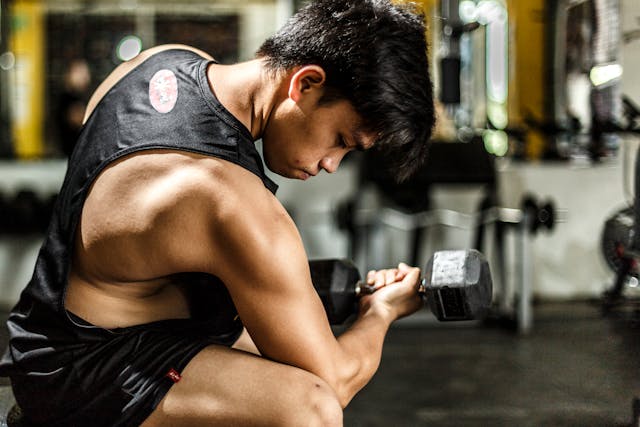
At the same time, traditional gyms remain popular in the Philippines, particularly among younger demographics. Recent data shows that 60.1% of gym visitors are aged 18–24, while 26.5% fall within the 25–34 age group, highlighting the dominance of Gen Z and millennials in the fitness space. Women make up a slight majority of gym-goers at 56.5% compared to 43.5% men, reflecting a growing interest in health and wellness among female consumers (Start.io, 2025). This trend is reinforced by urbanisation and rising disposable incomes, with boutique studios and tech-driven fitness solutions gaining traction alongside conventional gyms (RichestPH, 2025).
The current fitness landscape
- The Philippines’ health and fitness sector includes 1,000+ gyms, fitness clubs, swim centers, Pilates studios, martial arts centers, and wellness studios (The Shiv, 2025).
- Mix of local independent gyms and global chains like Anytime Fitness (140+ branches), Gold’s Gym, and Evolution Wellness brands (Noob Gains, 2025).
- Boutique fitness is growing: CrossFit, HIIT, spin, barre, and boxing gyms are popular among millennials and Gen Z (RichestPH, 2025).
- Digitalisation is accelerating with cloud-based management, automated billing, and engagement platforms (Statista, 2025).
- Digital fitness market projected to hit US$416.6M by 2025, growing at 7.63% CAGR; fitness app market forecast to reach USD 355.3M by 2033 (Statista, 2025; IMARC Group, 2025).
Opportunities and challenges in the Philippines
Below is an overview of the key opportunities and challenges shaping the market.
Opportunities:
1. Gyms in malls
The Philippines is home to a variety of different gyms and fitness facilities; however, one standout is gyms based in shopping centres. Shopping centres are often seen as central hubs for health, wellness and fitness and often include sports retailers, wellness clinics, gyms and other health and fitness adjacent businesses.
2. Urban middle-class growth
The Philippines is experiencing a notable expansion of its middle class, driven by rising incomes, urbanisation, and economic development. This demographic shift is reshaping consumer behaviour, particularly in attitudes towards health and fitness.
Middle-class Filipinos are increasingly prioritising wellness, evident in the surge of sportswear sales, gym memberships, and participation in fitness activities. In total, the Filipino sportswear industry is valued at approx. US$5.35 billion, with a 3.08% growth expected in 2025-2029 (Statista, 2025).
3. Digital payments on the rise
Digital wallets, especially GCash and Maya, have become key parts of the Philippines' payment landscape. GCash dominates the market with an 89% market share as of 2024 (Statista, 2025), while Maya enjoys a 5% share (Statista, 2025). Digital wallets in the Philippines, like GCash, use QR codes to initiate transactions. In fact, around 53% of Filipinos use QR codes for making payments (Statista, 2023).
4. Corporate wellness programs
Corporate wellness is growing in the Philippines as companies link employee health to productivity. The market is valued at USD 1.41 billion and is expected to reach USD 2.4 billion by 2033, driven by programs for fitness, mental health, and preventive care (IMARC Group, 2025). Mental health is a priority for 86% of organisations, and 85% of employees consider wellness offerings important when choosing an employer (WifiTalents, 2025; Gitnux, 2025). Digital tools like telehealth and wellness apps are accelerating adoption, reducing absenteeism and improving engagement.
Challenges
1. Infrastructure and digital divide
Outside of major cities, access to high-speed internet and reliable gym infrastructure is limited. Operators must consider mobile-friendly solutions to serve wider markets.
2. Payment fragmentation
While digital wallets are dominant in urban areas, many customers in provincial regions still prefer cash-based payments. Businesses must provide omnichannel payment options to cater to all user segments. While the majority of the population is unbanked, 100% of the population owns at least one smartphone or multiple SIM cards, which fuels the reliance on digital wallets and digital payment methods (Statista, 2025).
3. Increasing competition
As more players enter the market, offering a seamless, tech-enabled payment experience with standout customer service will be key to differentiation and retention.
Ezypay is Philippines-ready
The Philippines offers fertile ground for subscription-based fitness and wellness services. With a youthful, mobile-first population and fast-growing digital payment adoption, the market is primed for innovative solutions.
With a growing list of partner solutions and integrations, Ezypay has the right solution for every health, wellness and fitness business, including ALLUP Pro, ABC Glofox, Hapana, GymMaster, Membr, and Perfect Gym.
Ezypay supports your business growth by:
- Being one of the first payment facilitators in APAC to offer GCash Link and Pay (recurring GCash payments).
- Delivering seamless subscription management and on-demand financial reporting, with tailored solutions for gyms of all sizes, including corporate wellness programs.
- Ezypay makes it easy to settle funds to multiple accounts so you can easily split payments up between franchise locations, vendors, suppliers and more.
Whether you're launching your first gym or scaling across multiple locations, Ezypay helps power consistent, predictable revenue and a better customer experience.
Sources:- https://gitnux.org/corporate-wellness-statistics/
- https://noobgains.com/fitness-industry-statistics-philippines/
- https://richestph.com/philippines-fitness-sees-investment-boom/
- https://richestph.com/the-rise-of-fitness-culture-in-the-philippines-trends-and-insights/
- https://start.io/audience/gym-visitors-in-philippines
- https://statista.com
- https://the-shiv.com/the-philippiness-health-and-fitness-industry-2025-trends-growth-opportunities/
- https://wifitalents.com/corporate-wellness-program-statistics/
- https://www.imarcgroup.com/philippines-corporate-wellness-market
- https://www.imarcgroup.com/philippines-fitness-app-market
- https://www.statista.com/outlook/hmo/digital-health/digital-fitness-well-being/philippines

Ready to scale your fitness business in the Philippines?
Contact us
Share:


Recent Posts
Health & Fitness
Blogs
 Health & Fitness
Blogs
Health & Fitness
Blogs