


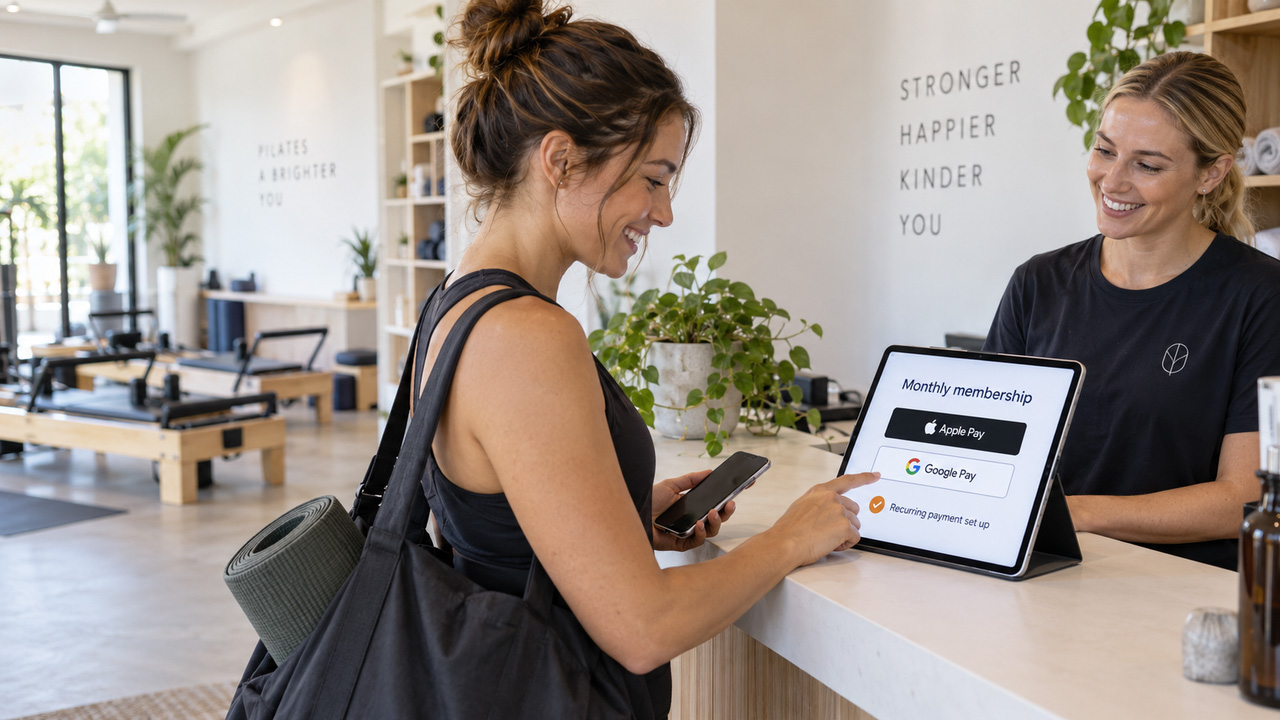
Digital wallets have become part of everyday life. When customers pay for a coffee, shop online or book a service, they now expect a fast, mobile-friendly payment experience. Likewise, many consumers expect the same level of convenience and speed when signing up for a new health club or registering their child in a childcare facility, for example. In this fast-paced digital world, speed and security reign supreme.Digital wallets, such as Apple Pay, Google Pay, GCash etc. - make up 77% of the total transactions in APAC (Statista, 2025).
That shift in behaviour is influencing more than one-off purchases. It is also changing expectations around memberships, subscriptions, and other ongoing payment arrangements.
Customer payment preferences are changing
APAC consumers increasingly expect payment experiences that are fast, familiar and convenient.
1. In Hong Kong, digital wallets represented around 41% of e-commerce payment value and 45% of POS payment value, making them the most widely used payment method in the market – surpassing even debit and credit cards.
2. According to the Australian Banking Association, Australians made more than $160 billion worth of mobile wallet payments in a single year, with usage growing 28% year-on-year.
3. In New Zealand, debit cards and digital wallets accounted for around 20% of e-commerce payment value and 41% of POS payment value (Statista, 2025).
4. In Malaysia, digital wallets represented around 26% of e-commerce payment value – with leading digital wallets such as Grab Pay and ShopeePay taking the lead (Statista, 2025).
5. In the Philippines, GCash enjoys an 80% adoption rate across citizens (Statista, 2025).
6. Meanwhile, in Singapore, digital wallets represented around 39% of e-commerce payment value and 29% of POS payment value.
Digital wallets are becoming a part of everyday purchasing habits
Clearly, as digital wallets become a regular part of everyday purchasing, customers may begin to expect the same level of convenience when signing up for a subscription, membership or ongoing service. It’s important for businesses to recognise and meet the changing needs of these customers, supplying them with the right mix of payment methods.
1. The importance of a smoother sign-up experience
Traditional payment methods remain important and continue to play a vital role in recurring billing. Many digital wallets (like Apple Pay and Google Pay) require customers to link a credit or debit card to their account in order to make payments.
However, when customers are completing a sign-up on a mobile device, entering payment details manually can add additional steps to the process. Digital wallets offer another way to establish a recurring payment arrangement using payment credentials customers have already stored and use regularly. Many digital wallets work with smartphones or smartwatches – devices which many consumers wouldn’t leave the house without.
The goal is not to replace existing payment methods. Instead, it is to provide an alternative that feels familiar, fast and easy to use.
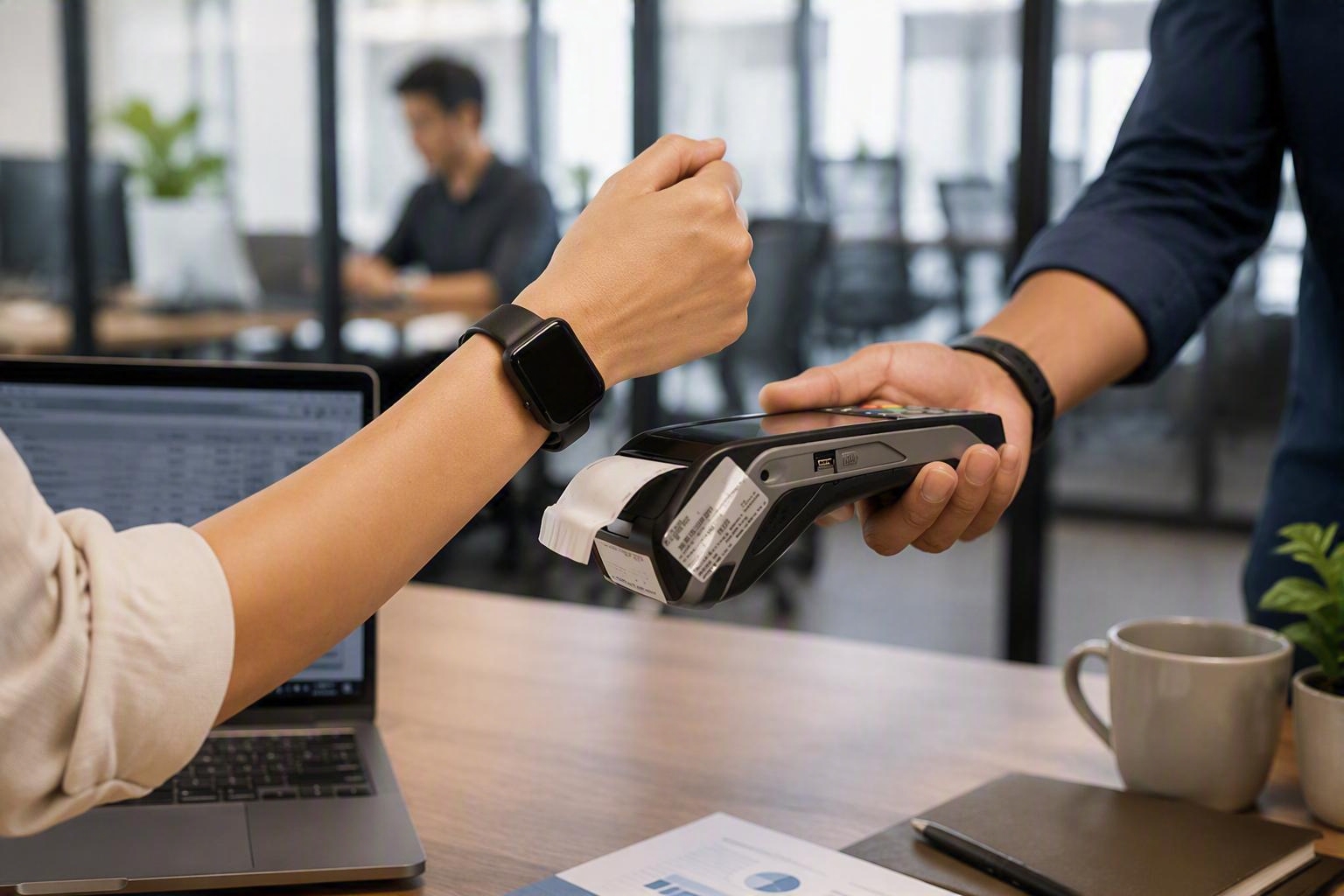
2. Digital wallets are moving beyond one-off purchases
Digital wallets are often associated with retail checkout and everyday spending. Many consumers would be familiar with using their Apple Pay and Google Pay wallets to purchase groceries, coffee or clothing.
Today, their role is expanding. Digital wallets can also be used to establish ongoing payment arrangements, allowing customers to use their preferred payment method for both one-off and recurring transactions.
For businesses that rely on recurring revenue, this makes digital wallets increasingly relevant as customer payment preferences continue to evolve. Digital wallets improve accessibility and onboarding speeds for customers signing up for payment plans.
3. More choice for customers
Customers do not all prefer to pay the same way.
Some may prefer to enter card details directly. Others may feel more comfortable using a digital wallet they already know and trust. Some might even prefer to hand you their banking details for an A2A (account-to-account) payment.
Offering digital wallets alongside traditional payment options gives customers greater flexibility when setting up recurring payments, while helping businesses cater to a broader range of payment preferences without replacing existing billing methods.
4. Security built into the experience
Digital wallets use technologies such as tokenisation and device-level authentication to help protect payment information.
With tokenisation, a customer’s sensitive payment details are not exposed every time a transaction occurs. Instead, digital wallets use secure digital credentials combined with security features already built into the customer's device, such as face recognition, fingerprint authentication or a passcode.
This helps create a secure payment experience without adding unnecessary complexity for the customer. It also helps businesses minimise their risk, as card details are stored as encrypted tokens and not in their original format.

Offer Apple Pay and Google Pay for one-off and recurring payments
Recurring Apple Pay and Google Pay are now available in Australia, New Zealand, Malaysia, Singapore, and Hong Kong.
Customer expectations continue to evolve, and payment experiences are evolving with them.
Digital wallets are becoming an increasingly familiar way for customers to start and manage ongoing payment arrangements. By offering digital wallets alongside existing payment methods, businesses can provide more choice, support mobile-first customer journeys and create a smoother path into recurring billing.
Recurring and one-off Apple Pay and Google Pay payments are now available through Ezypay. This allows merchants to offer both one-off and recurring digital wallet payments while continuing to support existing payment methods, helping meet growing demand for flexible and familiar payment experiences.
Talk to Ezypay about adding Apple Pay and Google Pay to your payment experience.
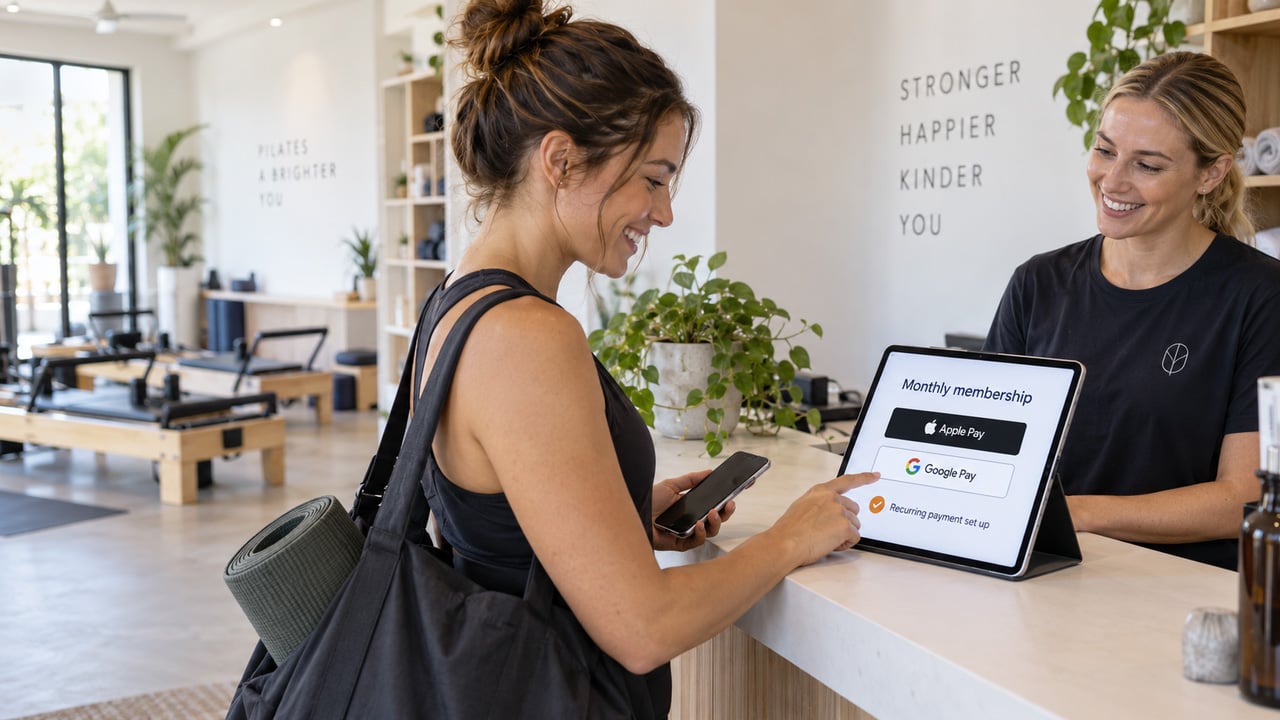
Add Apple Pay and Google Pay to your payment mix
Get Started
Share:


Recent Posts
Apple Pay
Google Pay
Digital Wallet
 Payments
Blogs
Apple Pay
Google Pay
Digital Wallet
 Blogs
Apple Pay
Google Pay
Digital Wallet